
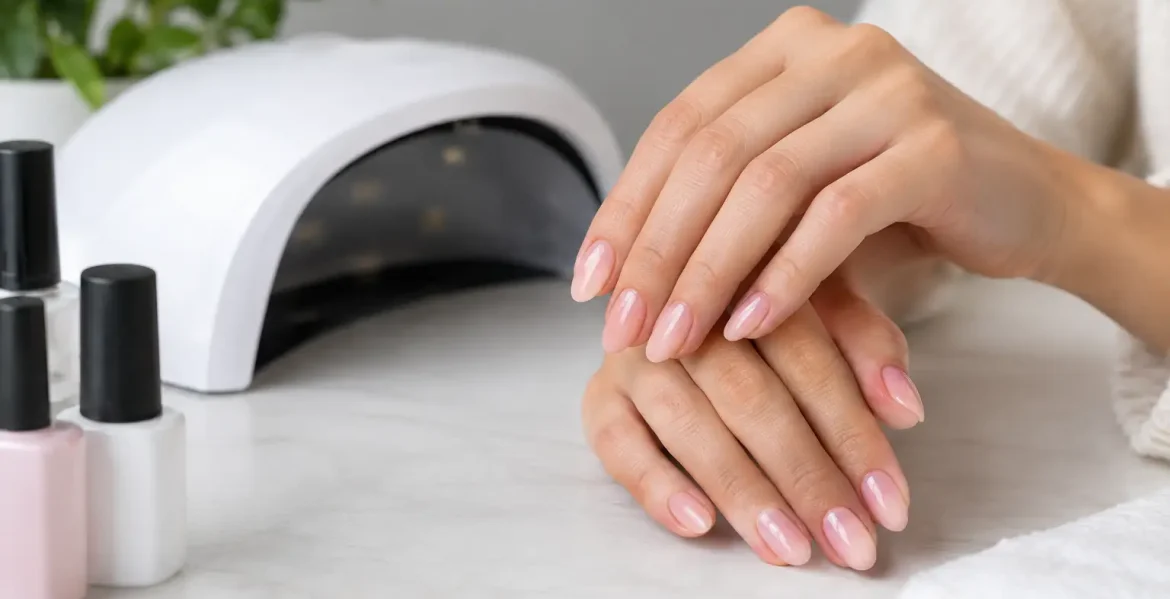
A gel manicure should feel like a polished little luxury, not something you have to recover from. So, do gel nails damage nails? Gel itself is not automatically the problem. Most nail damage comes from how the service is applied, maintained, and removed – especially when product is peeled, picked, or filed too aggressively.
A well-done gel manicure can help protect natural nails from everyday bumps while giving you lasting color and shine. But natural nails are not all the same. If yours are already thin, dry, splitting, or recovering from extensions, the right service and aftercare matter even more.
Do Gel Nails Damage Nails When Applied Correctly?
When a trained technician uses appropriate products, careful preparation, and a gentle removal process, gel polish does not have to leave nails weak. The goal is to create a secure, smooth finish without over-filing the natural nail plate or forcing product off before it is ready.
Gel polish is cured under a lamp, forming a durable coating on top of the nail. That coating is stronger than regular polish, which is why it can resist chips for weeks. It can also make nails feel firmer while you wear it. The concern begins when the nail plate is thinned during prep, when the gel lifts and gets picked at, or when removal takes layers of your natural nail along with it.
Think of your nails as layered material, not one solid surface. Repeated scraping, buffing, and peeling can remove tiny layers over time. That is what often creates the rough, bendy, or sensitive feeling people blame on gel.
What Actually Causes Gel-Related Nail Damage?
The most common culprit is peeling. It is tempting to catch a lifted corner and pull, particularly when a manicure is nearing the end of its wear. But gel is bonded to the top layers of the nail. Pulling it off can lift those layers too, leaving uneven white patches and fragile edges.
Over-filing is another issue. A light, controlled preparation helps product adhere, but the natural nail should never be filed down aggressively just to make gel last. If your nails feel sore, hot, or noticeably thin after an appointment, speak up before your next service. A caring technician will assess what your nails need and adjust the approach.
Improper removal can be just as hard on nails. Gel should be reduced carefully and softened according to the product system, then gently eased away. Scraping hard at stubborn product risks gouging the natural nail underneath. Professional removal takes more patience than peeling, but it protects the healthy growth you are trying to keep.
Finally, frequent exposure to water, cleaning products, and dry indoor air can make nails brittle, whether you wear gel or not. A manicure may reveal the problem when it comes off, but it may not be the original cause.
Gel Polish, Gel Overlays, and Extensions Are Not the Same
“Gel nails” can mean several different services, and the best choice depends on your nail condition and lifestyle.
Gel polish is a thin color service applied over natural nails. It is a beautiful option if you want a clean, glossy finish and your nails have a healthy shape underneath. A gel overlay adds a structured layer over the natural nail, which can be helpful for clients who want extra support without length. Extensions, including Gel X or other enhancement systems, add length and require thoughtful maintenance and professional removal.
Longer nails are naturally more likely to catch on clothing, hair, or everyday objects. If you are hard on your hands at work, wash them often, or are new to enhancements, a shorter overlay or gel manicure may be a more comfortable starting point. There is no single “best” service – there is only the service that fits your natural nails, desired look, and maintenance routine.
A refill is not always the answer
Regular maintenance is useful for many enhancement services, but a refill should not be automatic if there is major lifting, cracking, green discoloration, tenderness, or an irritated cuticle area. Those signs deserve a close look. A technician may recommend removal, a shorter shape, or time without enhancements so the nail and surrounding skin can settle.
How to Keep Gel Nails Looking Beautiful Without Stressing Them
The best protection begins in the salon, then continues at home. Tell your technician if you have recently removed extensions, if your nails have been peeling, or if you have sensitivities to products. This helps them recommend a suitable service instead of applying the same approach to every set of nails.
Once your manicure is complete, treat it with a little intention. Use cuticle oil regularly to support flexibility around the nail and keep the skin from becoming dry. Wear gloves for dishes, cleaning, gardening, or any task involving prolonged water and chemicals. Use the pads of your fingers rather than your nails to open cans, pry labels, or pick at surfaces.
Most importantly, do not use your gel manicure as a tool. Even a strong set can break when it is repeatedly asked to do more than a natural nail should. A small crack is also worth addressing quickly. Booking a repair early can prevent a tear that reaches the natural nail.
When to Take a Break From Gel
You do not necessarily need a break after every gel manicure. Many clients wear gel consistently with healthy natural nails when each appointment includes proper removal, thoughtful prep, and good aftercare. A break can be helpful, however, when your nails are visibly thinning, splitting repeatedly, feeling unusually tender, or recovering from picking or improper removal.
A break does not mean your hands have to look unfinished. You might choose a tidy shaping service, cuticle care, a nourishing treatment, or regular polish while your nails grow out. Keeping nails shorter during this time can also reduce snagging and give damaged edges a chance to move forward.
If you notice persistent redness, swelling, pain, itching, or a change in nail color or texture, skip another manicure until you have guidance from a qualified health professional. Beauty services should always feel comfortable, and discomfort is worth taking seriously.
What to Ask for at Your Next Appointment
A professional nail appointment should feel collaborative. Ask what type of service suits your current nail condition, how removal will be handled, and whether a shorter length would give you better wear. Bring up any lifting, breakage, or sensitivity you experienced after your last set.
At Ivy’s Garden Nails & Spa, personalized care means looking beyond the color you choose. Whether you love a soft French tip, a bold chrome finish, or a simple glossy neutral, the healthiest manicure is one designed around your nails rather than against them.
Gel can be part of a consistent self-care routine without sacrificing your natural nails. Choose careful application, schedule maintenance before severe lifting starts, and let professional removal do the slow work. Your nails will thank you with a smoother, stronger-looking foundation for every style you want to create.
