
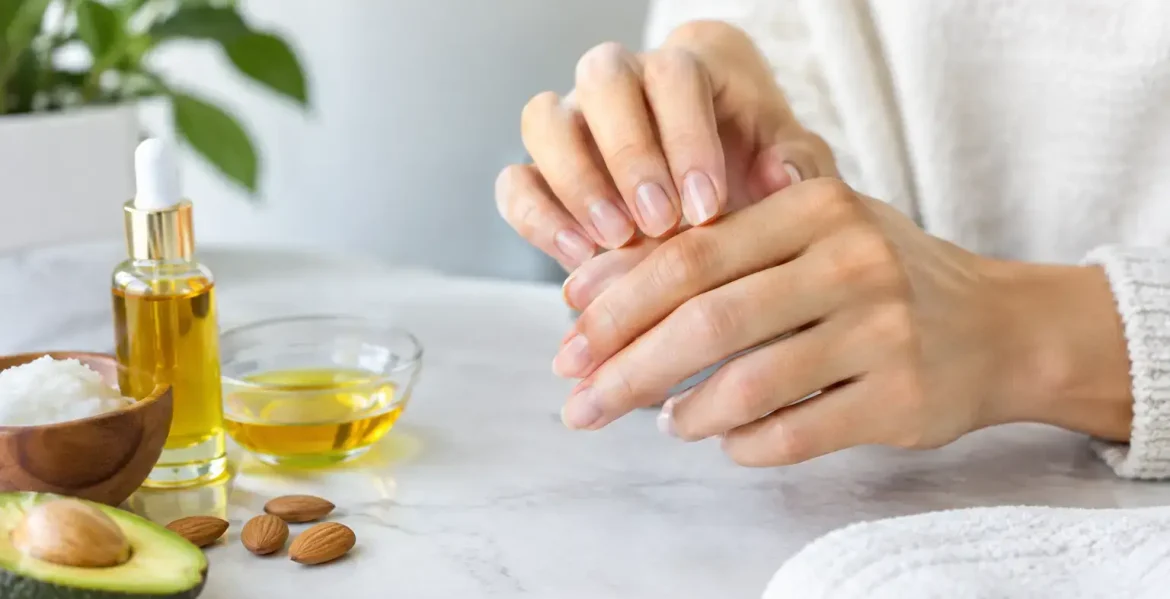
Peeling at the tips, a crack across one nail, or a break just when your manicure was looking perfect can make brittle nails feel impossible to manage. Learning how to strengthen brittle nails is less about one miracle product and more about treating your nails gently, consistently, and with the right level of protection for your lifestyle.
Your natural nails are made of layers of keratin. When those layers become dry, repeatedly soaked, overly buffed, or exposed to harsh chemicals, they can split, bend, and snap more easily. The good news is that small changes to your home routine and salon choices can help your nails grow out looking smoother and more resilient.
Start by figuring out what your nails are asking for
Brittle nails do not always look the same. Some feel dry and peel in thin layers at the free edge. Others bend easily, while some are hard but break with very little pressure. The pattern matters because nails that are dry need a different approach than nails that have been weakened by repeated trauma.
Frequent handwashing, sanitizer, dish soap, cleaning products, cold weather, and dry indoor air can all pull moisture from the nail plate and surrounding skin. Long baths or repeated soaking can also cause the nail to expand and contract, which contributes to peeling over time.
Salon services can play a role too, but that does not mean you have to give up the manicure you love. Problems often come from aggressive removal, picking at lifting product, excessive filing, or extensions that are too long for everyday activities. A thoughtful application, proper maintenance, and professional removal are very different from pushing nails past their limit.
If your nails suddenly change color, separate from the nail bed, become painful, or remain very brittle despite gentle care, it is wise to speak with a healthcare professional. Nail changes can occasionally point to a health concern that deserves individual attention.
How to strengthen brittle nails with everyday care
The most effective routine is usually the least dramatic one. Your nails need time to grow, so aim for habits you can repeat for several weeks rather than switching products every few days.
Keep water exposure and chemicals in check
You do not need to avoid washing your hands. Instead, protect them during tasks that involve long exposure to water or cleaning products. Wear gloves for dishes, household cleaning, and gardening. This simple habit helps limit the cycle of soaking, drying, and splitting.
After washing your hands, apply hand cream while skin is still slightly damp. Massage a small amount of cuticle oil into the cuticle area and along the sides of each nail. Cuticle oil will not instantly repair a split nail, but regular use can improve flexibility as healthier nail grows in.
Choose a cream that feels comfortable enough to use often. A beautiful routine only works when it fits into real life, whether that means keeping hand cream beside the sink, in your purse, or on your nightstand.
File with patience, not pressure
A snag can turn into a deep tear quickly, especially when you are tempted to pull it away. Keep a fine-grit nail file nearby and gently smooth rough edges as soon as you notice them. File in one direction with light pressure instead of using a fast back-and-forth motion.
For nails that are breaking often, a shorter length is not a defeat. It is a reset. A softly rounded or squoval shape has fewer sharp corners to catch on fabric, hair, and zippers. Once your nails are stronger, you can gradually return to more length if that is part of your personal style.
Be careful with buffing and “strengthening” products
Over-buffing can thin the nail plate, even if it creates a temporary shine. Save buffing for occasional smoothing, and never try to buff away peeling layers. Those layers need to grow out.
Some nail strengtheners are helpful, especially when used as directed, but a very rigid formula is not right for every nail. If your nails are already dry and snapping, too much hardness can make them feel less flexible and more likely to break. Consider a nourishing base coat or a gentle strengthening treatment, then see how your nails respond over a few weeks.
Choose salon services that support your natural nails
A professional manicure can be part of healthy nail maintenance when the service matches your current nail condition. At Ivy’s Garden Nails & Spa, personalized care starts with looking at your natural nails, discussing your routine, and selecting a service that feels beautiful without asking more of your nails than they can comfortably handle.
Consider a gel overlay for light protection
If your nails are flexible, peeling, or catching at the tips, a gel overlay can provide a polished layer of support without adding significant length. It is often a lovely option for clients who want a clean, finished look while growing out damaged areas.
The key is maintenance. Book fills or removal at the recommended time, and do not peel or pry at lifting gel. Lifting is your signal to have the product professionally assessed, not an invitation to pull it off at home.
Match extension length to your daily routine
Gel X and acrylic extensions can be expressive, elegant, and wonderfully practical for special occasions. Still, length and shape should suit what your hands do every day. Someone typing, caring for children, working with gloves, or playing sports may be happier with a shorter, balanced set than an extra-long design that catches constantly.
There is no single “safe” length for everyone. The best choice depends on nail shape, natural nail condition, hand use, and how reliably you can return for maintenance. A skilled nail technician can help you choose a length that feels glamorous and manageable.
Never make removal an afterthought
Improper removal is one of the most common reasons nails feel thin afterward. Peeling off gel, acrylic, dip powder, or extensions can take layers of natural nail with it. That is why patience matters during removal appointments.
Professional removal is designed to reduce unnecessary scraping and filing. Your technician can also suggest whether your nails would benefit from a short break, a conditioning manicure, a simple polish service, or a lighter overlay for the next few weeks.
Support nail growth from the inside, too
Nails grow slowly, so visible improvement takes time. A balanced diet with enough protein, iron, zinc, and other essential nutrients supports the body systems involved in healthy nail growth. Extreme dieting or skipping meals can show up in hair, skin, and nails, so consistent nourishment matters more than chasing a single supplement.
Supplements are not automatically the answer to brittle nails. They can interact with medications or be unnecessary depending on your needs. If you are considering one because breakage is persistent or severe, ask a qualified healthcare professional what makes sense for you.
Hydration helps your overall well-being, but it is not a stand-alone cure for peeling nails. Think of water, nourishing food, hand cream, cuticle oil, and careful nail care as a team rather than expecting one habit to do all the work.
Give your nails a realistic recovery timeline
A damaged section of nail cannot fully repair itself because the nail plate is not living tissue. The goal is to prevent more damage while new nail grows from the base. For most people, that means giving a new routine several months before judging the final result.
Take a quick photo of your nails before you begin. A month later, compare the new growth near the cuticle with the older nail at the tip. You may notice fewer rough edges, less peeling, and better flexibility before the entire damaged portion has grown out.
A break from extensions can be useful when nails feel tender, excessively thin, or repeatedly break under product. But a bare-nail break is not required for every client. Sometimes a short, carefully maintained overlay offers more protection than leaving fragile nails fully exposed. It depends on your nails, your habits, and the quality of the maintenance.
Beautiful nails do not have to mean perfect nails. Treat each manicure as a little time set aside for comfort, confidence, and care. With gentle daily habits and services chosen for your real life, your nails can have the support they need to grow stronger at their own pace.
